2026-11-26 ·
How Florida Wind Codes Affect Roof Choices in Coconut Creek
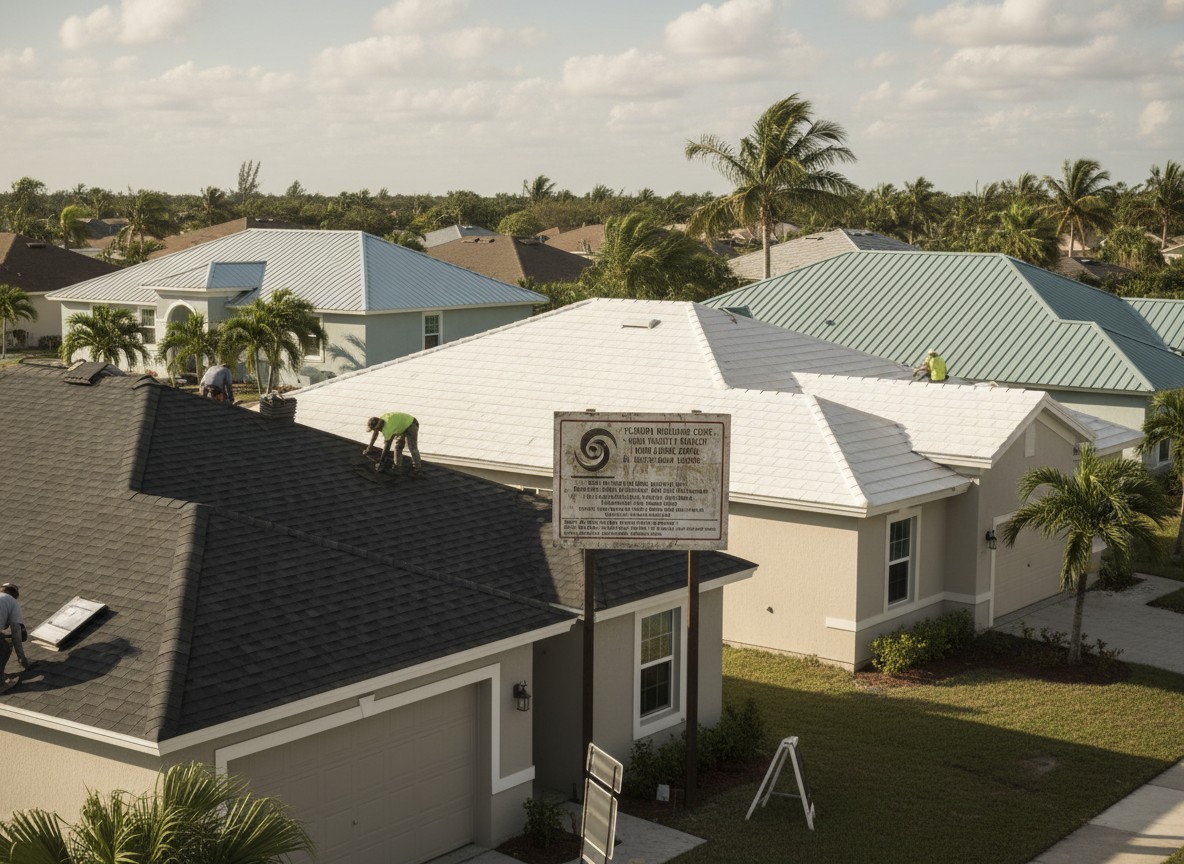
Florida wind codes in Coconut Creek demand roofs engineered for elevated wind pressures and wind-borne debris, which typically steers choices toward reinforced fastening systems and impact-rated coverings rather than standard lightweight options. This stems from the area's location in Broward County where hurricane-season gusts and heavy rainfall test every component from ridge to eave. Homeowners here see older single-family homes from the 1970s and 1980s often needing full upgrades because original installations predate current fastening schedules and underlayment requirements.
How Broward County Wind Zones Influence Roof Design
Coconut Creek sits within Broward County's wind-borne debris region, where codes emphasize protection against flying objects during storms. This affects everything from shingle tab sealing to tile attachment points on homes near Sample Road or in the Winston Park neighborhood. Contractors must calculate uplift forces based on roof pitch and exposure, leading to denser nailing patterns and additional clips that standard inland installations skip. Terrain remains flat with minimal elevation changes, so wind loads stay consistent across most residential lots, yet proximity to the Intracoastal can increase exposure on eastern edges. These factors combine to favor systems that distribute stress evenly rather than relying on single-point attachments.
Material Choices That Satisfy Local Wind Standards
Metal panels often gain preference in Coconut Creek because their screw-down or standing-seam profiles resist uplift better than conventional asphalt when installed with the required spacing. Reinforced asphalt shingles with higher wind ratings work on many homes in Margate and Coral Springs borders but demand extra starter strips and ridge vents rated for the same pressures. Tile roofs common in Parkland developments require mechanical fastening or foam-adhesive systems that exceed basic mortar set methods to prevent individual pieces from becoming projectiles. Each option alters labor time and underlayment layers, with synthetic underlayments replacing felt in most code-compliant replacements to add secondary protection against the frequent afternoon thunderstorms.
Installation Details That Meet Code in Coconut Creek
Proper deck preparation includes verifying sheathing thickness and replacing damaged sections before any new covering goes down, a step that directly ties to wind performance in older Coconut Creek subdivisions. Edge metal and flashing must be installed with specific overlap distances and corrosion-resistant fasteners to handle salt-laden air moving inland from Pompano Beach. Ridge and eave ventilation products also carry wind ratings that prevent blow-off during gusts. Roof replacement crews routinely photograph each layer to document compliance for insurance purposes, especially after events that trigger claims in Broward County.
Maintenance Considerations After Installation
Ongoing inspections focus on sealant condition at penetrations and fastener tightness because thermal expansion in South Florida cycles can loosen components over time. Homeowners near the Florida Turnpike corridor often schedule checks before June when hurricane season begins, aligning with guidance in related local discussions on tile roof repairs before dry season returns. Clearing debris from valleys and gutters reduces added weight that could stress underlayment during high-wind events. These routines help preserve the wind-load capacity built into the original installation.
Insurance and Documentation Requirements
Broward County insurers frequently request proof that roof work followed current wind-code fastening schedules before approving full replacement value. Documentation from understanding insurance claims for roof damage in Broward County helps residents in Tamarac and Deerfield Beach prepare for adjuster visits. Photos of clipped tiles, sealed edges, and approved underlayment products become part of the permanent record. This paperwork directly influences claim outcomes when storms move through the Coconut Creek area.
Planning Roof Work Around Seasonal Patterns
Dry-season windows from November through April offer the most reliable conditions for major projects because afternoon thunderstorms decrease and permit consistent material curing. Crews based at 5379 Lyons Rd can respond 24/7 for emergency repairs, yet planned replacements benefit from advance scheduling to avoid overlapping with peak insurance inspection periods. Local soil remains sandy and well-drained, so staging equipment on residential lots rarely requires extra stabilization beyond basic plywood protection.